
Custom Electrical Panel Design: A Practical Guide for Saudi Industrial Projects

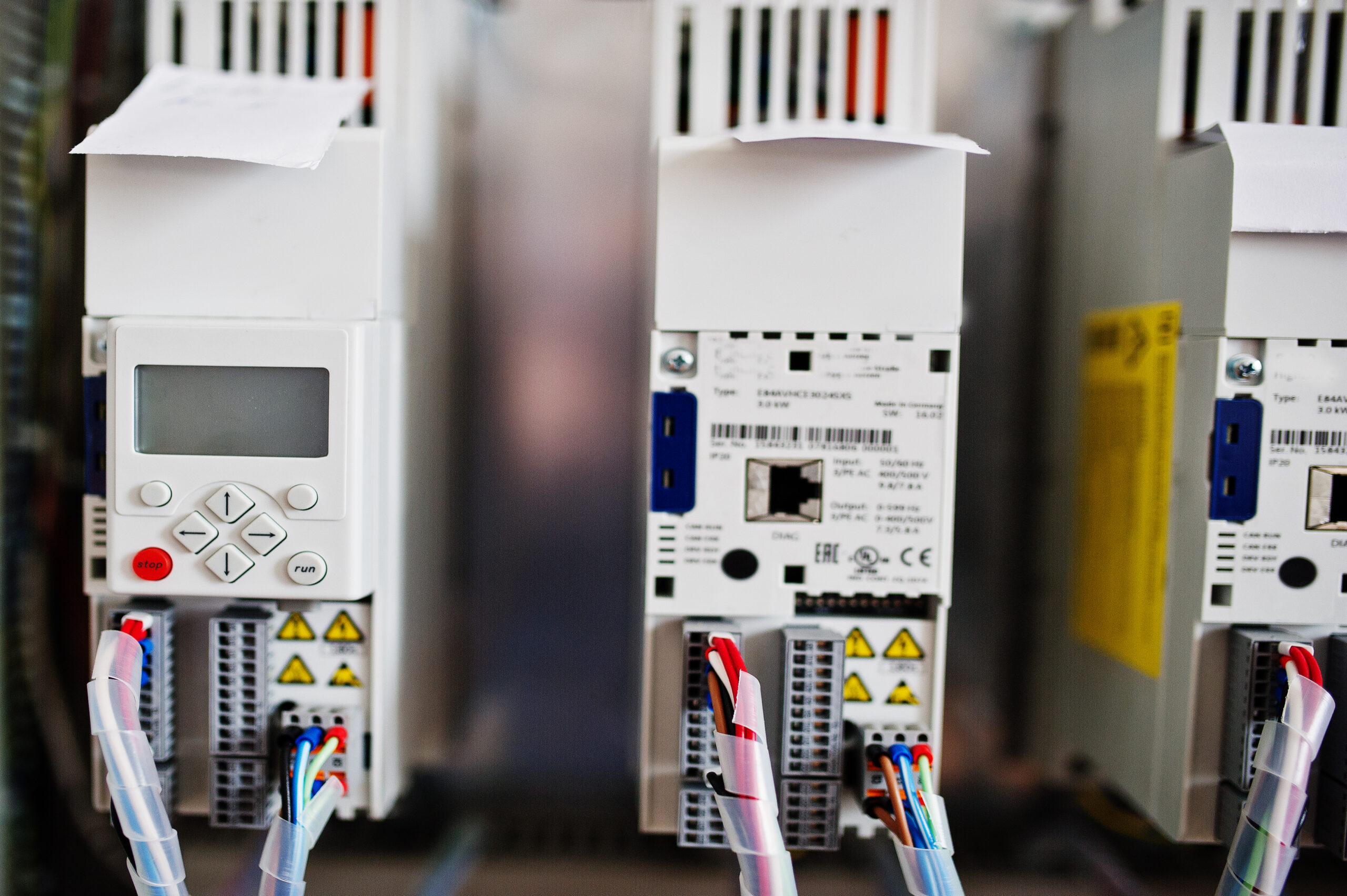
No two facilities draw power the same way, so no two panels should look identical either. Custom electrical panel design starts from the actual load, environment, and equipment a project needs to run, not a catalog template.
For contractors specifying panels in Saudi Arabia, understanding what goes into that design process makes it easier to spot a rushed job before it becomes an installation problem. This guide walks through how custom electrical panel design actually works, step by step.
What Custom Electrical Panel Design Actually Involves
A standard panel board covers common, predictable loads. Custom electrical panel design goes further, building an assembly around the exact current ratings, fault levels, and operating conditions of one specific site.
That distinction matters most in industrial settings. A cement plant, a hospital, and a cold storage facility each need panels engineered around very different priorities, from continuous duty motors to backup power continuity.
Getting this wrong is not a small issue. An undersized or mismatched panel shows up later as nuisance tripping, overheating, or a failed inspection right before handover.
Step 1: Understanding Load and Site Requirements
Every custom electrical panel design project starts with full-load calculations. Engineers determine how many amps the panel must supply, based on the equipment it will power and how those loads run together.
Site conditions matter just as much as the load itself. Ambient temperature, dust exposure, humidity, and available installation space all shape decisions made later in the process.
Skipping this stage is the most common reason panels underperform. A design based on assumed loads rather than measured ones rarely holds up once equipment is actually running.
Step 2: Enclosure Selection and Climate Considerations
The enclosure is not just a box, it is a protection system. IP and NEMA ratings determine how well a panel resists dust, moisture, and physical contact, and Saudi Arabia’s climate makes this decision more critical than in milder regions.
High ambient temperatures push internal components closer to their thermal limits, so panels built for the Kingdom often include additional ventilation, cooling provisions, or derated component ratings to compensate.
Sand and dust infiltration is another local factor. Enclosures rated for European conditions sometimes fail to seal adequately against fine desert dust over years of continuous exposure.
For projects requiring dedicated lighting distribution, Al Samman’s Lighting Panel Board (LP) solutions are engineered around the project’s load requirements, circuit configuration, and installation conditions. Contact the team to discuss your lighting panel requirements.
Electrical Panel Layout and Space Planning
Electrical panel layout determines how efficiently components, busbars, wiring, and cable entries can be arranged inside the enclosure. A good layout provides enough clearance for safe operation while keeping components accessible for inspection and maintenance.
Engineers consider the physical dimensions of breakers, contactors, relays, terminal blocks, and other equipment before finalizing the internal arrangement. Busbar positioning, cable routing, ventilation, and heat dissipation also influence the layout.
Space planning should account for both current requirements and future modifications. Leaving appropriate working space around key components can make troubleshooting and maintenance easier while reducing the risk of accidental contact or excessive heat buildup.
For industrial projects, the panel layout should therefore be treated as part of the engineering design, not simply as an assembly decision made during manufacturing.
Step 3: Component Selection and Schematic Design
Once the enclosure and load profile are set, engineers select breakers, contactors, relays, and control devices rated for the specific current and fault conditions of the project.
This is where the process separates from simply assembling parts. Each component has to work with the others under real fault scenarios, not just under normal operating conditions.
Detailed schematics follow component selection, mapping every connection before manufacturing begins. Clear documentation at this stage prevents wiring errors and speeds up future maintenance.
Electrical Panel Design Standards and Compliance
Custom electrical panel design must follow the standards and project specifications applicable to the installation. For low-voltage assemblies, IEC 61439 provides the primary framework for design and verification, while Saudi projects may also involve SASO requirements, Saudi Building Code provisions, and additional consultant or client specifications.
Compliance should be considered during the design stage rather than after manufacturing is complete. Engineers review component ratings, enclosure characteristics, clearances, temperature performance, protection requirements, and documentation against the applicable project criteria.
For projects with specific client requirements, such as major industrial or infrastructure developments, the design may also need to follow additional engineering specifications. Addressing these requirements before manufacturing helps reduce redesigns, approval delays, and costly changes at the installation stage.
Short-Circuit Rating and Protection Coordination
Short-circuit conditions are a critical consideration in custom electrical panel design. Engineers must determine the prospective fault current at the installation point and select breakers, busbars, and other components with ratings appropriate for the expected fault conditions.
Protection coordination is equally important. Circuit breakers and protective devices should be selected and configured so that a fault is isolated as close as possible to its source without unnecessarily shutting down unaffected parts of the facility.
Depending on the system, engineers may evaluate breaking capacity, short-circuit withstand capability, breaker settings, and selectivity between protective devices. Proper coordination helps reduce equipment damage and limits the impact of electrical faults on continuous industrial operations.
This analysis is especially important for facilities with high electrical loads, large motors, generators, or multiple distribution levels.
For facilities looking to improve electrical efficiency and manage reactive power, Al Samman’s Power Factor Correction (PFC) panels are engineered around the site’s load profile and power requirements. Contact the team to discuss your PFC requirements.
Step 4: Assembly, Testing, and Documentation
Manufacturing follows the approved schematic exactly. Panels are wired, labeled, and internally inspected before any testing begins.
Testing verifies more than basic function. Insulation resistance, continuity, and, where required, short-circuit withstand verification confirm the panel performs safely under the conditions it was designed for.
Complete documentation, including as-built drawings and test reports, is handed over with the finished panel. Without it, future maintenance teams are left guessing at a system they did not design.
Custom Electrical Panel Testing and Quality Control
Testing is the final engineering check before a custom electrical panel is released for installation. Quality control confirms that the completed assembly matches the approved design and that its electrical and mechanical functions operate as expected.
Depending on the panel and project requirements, testing may include visual inspection, wiring and continuity checks, insulation resistance testing, functional testing, and verification of protective and control devices. Routine verification also helps identify manufacturing errors such as incorrect wiring, loose connections, or incorrectly installed components.
Documentation should be completed alongside testing. Test results, inspection records, as-built drawings, and relevant technical documents give contractors and facility operators a clear record of the finished panel.
A structured testing and quality-control process reduces commissioning problems and provides greater confidence that the custom panel is ready for safe operation.
Common Mistakes in Custom Electrical Panel Design
A few recurring issues show up across projects that skip proper engineering review.
- Sizing from a generic template instead of actual load calculations, leading to panels that trip under real conditions.
- Ignoring climate derating, especially on imported enclosures not adjusted for Saudi ambient temperatures.
- Incomplete documentation, which turns routine maintenance into guesswork years later.
- Substituting components after design approval without re-verifying fault coordination across the panel.
Each of these mistakes is preventable with a manufacturer that treats custom electrical panel design as an engineering process, not an assembly line shortcut.
How Al Samman Approaches Custom Electrical Panel Design
Al Samman Panel Builder operates from Riyadh Industrial Estate as an Authorized Panel Builder of Schneider Electric, and every project begins with a direct review of load data and site conditions before manufacturing starts.
The company’s engineering team designs Main Distribution Boards, Motor Control Centers, and other panel types around the specific climate and fault conditions of each site, rather than adapting a standard catalog unit.
That approach has supported projects for Al Rajhi Bank, Hilton Group properties, King Fahad Hospital, and NEOM’s Oxagon development, where custom electrical panel design had to meet strict inspection requirements from the start. Have drawings ready for review? Al Samman’s team can confirm feasibility before committing to manufacturing.
Custom electrical panel design is not an optional upgrade for demanding sites, it is the difference between a panel that lasts and one that fails under real operating conditions.
Al Samman brings Schneider Electric authorization, in-house engineering, and a project history spanning banking, healthcare, and national giga-projects to that process. For contractors who need a panel built right the first time, that combination is what makes custom electrical panel design worth the extra step.
Ready to Start Your Custom Electrical Panel Design?
Need a custom electrical panel designed around your project’s load, site conditions, and technical requirements? Contact Al Samman to discuss your project with our engineering team and develop the right panel solution.
Frequently Asked Questions for custom electrical panel design
What makes a panel “custom” rather than standard?
Custom electrical panel design is built around the specific load, fault current, and environmental conditions of one project, rather than a fixed, general-purpose configuration.
How long does custom electrical panel design typically take?
Timelines depend on panel complexity and component availability. A manufacturer confirms scheduling once load calculations and site drawings are reviewed.
Why does climate matter in electrical panel design?
High ambient temperatures and dust exposure in Saudi Arabia affect component ratings, enclosure sealing, and cooling requirements that a generic design may not account for.
What documentation should come with a custom panel?
Complete as-built drawings, schematics, and test reports should accompany every panel, supporting both commissioning and future maintenance.
Can existing panels be redesigned instead of replaced?
In some cases, yes. An engineering review can determine whether upgrading components meets the site’s current load, or whether a new custom build is more reliable.
Does Al Samman handle both design and manufacturing in-house?
Yes. Al Samman’s engineering team manages custom electrical panel design and manufacturing together, from initial load review through testing and handover.