
Electrical Panel Standards in Saudi Arabia: What Every Project Must Meet

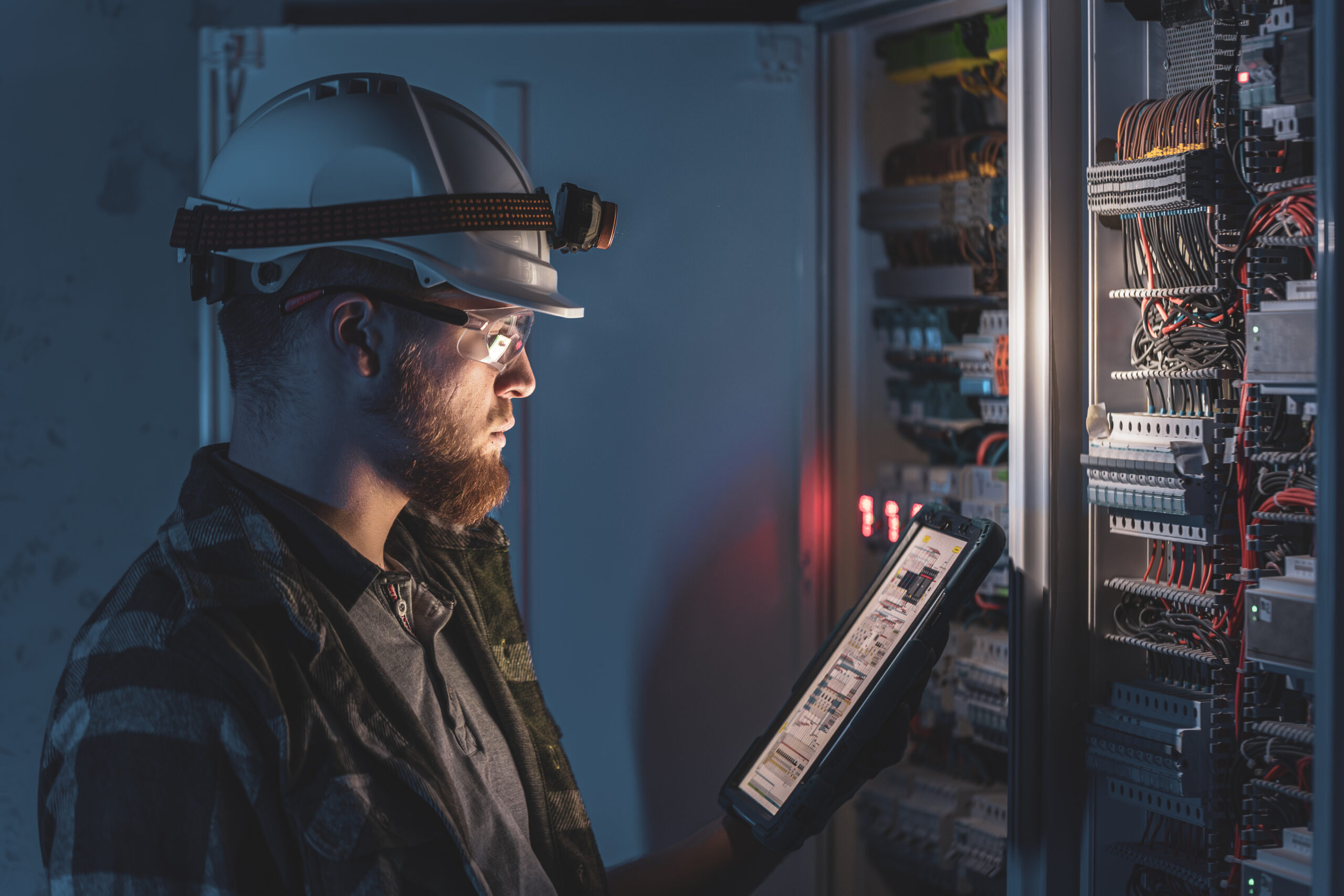
A panel that passes inspection in one country can fail Saudi certification outright. Electrical panel standards are not a single rulebook, they are a layered set of requirements that a panel has to satisfy before it ever reaches a project site. For contractors and consultants working in the Kingdom, understanding which electrical panel standards apply, and why, prevents delays that show up right when a project needs to hand over. This guide breaks down the standards that govern panel design, certification, and installation in Saudi Arabia.
What Electrical Panel Standards Actually Cover
Electrical panel standards define far more than wiring diagrams. They set requirements for enclosure ratings, short-circuit withstand capability, temperature rise limits, and how components are verified once assembled.
A panel built without reference to these standards might work on day one. Under sustained industrial load, in Saudi Arabia’s climate, gaps in design show up as overheating, nuisance tripping, or outright failure.
That is why these requirements exist at every stage, from the raw components inside the enclosure to the final inspection before energization.
For a facility owner, the practical effect is simple. A panel built to the correct standards keeps running through years of heavy use, while one that was not properly verified tends to fail early, usually at the worst possible time.
IEC 61439: The Core Standard Behind Panel Assemblies
IEC 61439 is the international standard most electrical panel standards worldwide are built around. It covers low-voltage switchgear and controlgear assemblies, including main distribution boards, motor control centers, and distribution boards.
Under IEC 61439, a panel builder has to verify design through type testing or an equivalent verification method. This confirms the assembly can handle its rated current, withstand short-circuit conditions, and dissipate heat without exceeding safe temperature limits.
Panels that reference IEC 61439 but skip the verification step are not actually compliant. The standard exists specifically to stop that shortcut.
IEC 61439 Design Verification vs. Routine Verification
IEC 61439 separates verification into design verification and routine verification, and both serve different purposes in confirming panel quality. Design verification confirms that the assembly design can meet requirements for temperature rise, short-circuit withstand, clearances, creepage distances, and other specified characteristics. Routine verification is performed on each completed assembly to identify manufacturing or assembly defects before the panel leaves the factory.
For project teams, this distinction matters because a panel manufacturer’s compliance claim should be supported by documented verification procedures, not simply a reference to IEC 61439. Proper verification provides evidence that the panel design and the individual manufactured assembly meet the required performance criteria.
SASO Certification and the Saudi Building Code (SBC 401)
Saudi Arabia layers its own requirements on top of IEC baselines. The Saudi Standards, Metrology and Quality Organization, known as SASO, certifies components and assemblies before they can legally enter the local market.
SBC 401 governs electrical installations inside buildings and is based on IEC 60364, adapted with Saudi-specific requirements. It sets the minimum design rules for how panels connect into a building’s broader electrical system.
Together, these electrical panel standards mean a panel needs both component-level SASO certification and installation-level compliance with SBC 401 before a project can pass inspection.
Why Saudi Electrical Panel Standards Differ from Elsewhere
Standards adapted for Europe or North America often assume moderate ambient temperatures. Saudi Arabia’s climate regularly pushes past 50 degrees Celsius, and that changes what a compliant panel needs to survive.
Local requirements account for this through derating rules, tougher enclosure sealing against dust and sand, and more frequent testing intervals for components exposed to heat cycling.
Contractors moving between regions sometimes assume a panel that passed inspection elsewhere will pass here too. In practice, the climate adjustment alone is often enough to fail a review.
Ignoring these adjustments is a common failure point for panels imported without local engineering review. A panel rated correctly for a European climate can be undersized for a Saudi industrial site.
For projects where critical systems must remain powered during a main supply failure, Al Samman’s Emergency Main Distribution Board (EMDB) provides reliable power distribution for essential loads and emergency systems. Contact the engineering team to discuss your project’s emergency power requirements.
IP Ratings and Enclosure Requirements for Saudi Arabia
Enclosure protection is an important part of electrical panel design in Saudi Arabia, particularly for industrial and outdoor installations exposed to dust, sand, humidity, and temperature extremes. The required IP rating depends on the installation environment and the level of protection needed against solid particles and water.
Indoor electrical panels may require a different enclosure rating from panels installed outdoors or in harsh industrial environments. Engineers should consider dust exposure, water ingress, ventilation requirements, and the location of the panel before selecting the enclosure.
Choosing the appropriate IP rating helps protect internal components from environmental conditions while maintaining reliable electrical performance throughout the panel’s service life.
Electrical Panel Temperature Derating in Saudi Arabia
High ambient temperatures can affect the performance and current-carrying capacity of electrical panel components. When equipment is installed in a hot environment, engineers may need to account for temperature derating when selecting breakers, busbars, cables, and other internal components.
Panel design should also consider heat dissipation, enclosure configuration, ventilation, and the operating temperature specified for individual components. Simply selecting equipment based on its nominal current rating without considering the actual installation conditions can create excessive heat and reduce system reliability.
For Saudi projects, the panel design should therefore reflect the project’s specified environmental conditions rather than relying on ratings developed for a different operating environment.
Aramco and SABIC Engineering Standards for Industrial Projects
Large industrial clients in Saudi Arabia often apply their own engineering standards on top of national requirements. Aramco’s SAES specifications and SABIC’s SES standards are common examples on oil, gas, and petrochemical projects.
These add rigorous protocols around grounding, control system design, and commissioning that go beyond typical commercial requirements. A panel supplier working on Aramco-affiliated projects needs documented experience meeting these specifications, not just general SASO certification.
Electrical Panel Testing Before Commissioning
Electrical panels should be inspected and tested before they are energized and placed into service. Testing helps identify wiring errors, damaged components, incorrect connections, and functional problems before they affect the wider electrical system.
Depending on the panel and project requirements, pre-commissioning checks may include visual inspection, wiring and continuity checks, insulation resistance testing, functional testing, protection device verification, and inspection of mechanical connections.
For industrial projects, these checks are particularly important because a fault discovered after installation can delay commissioning and affect other connected systems. Completing the required testing before energization gives contractors and consultants greater confidence that the panel is ready for site operation.
For reliable power distribution across individual circuits, Al Samman’s Distribution Board (DB) solutions are engineered to match your project’s load requirements and protection needs. Contact the team to discuss your distribution requirements.
How Al Samman Builds to These Electrical Panel Standards
Al Samman Panel Builder operates from Riyadh Industrial Estate as an Authorized Panel Builder of Schneider Electric, and designs every assembly with Saudi electrical panel standards built into the process from the start.
Enclosures are specified for the local climate, components are sourced through approved supply chains, and each panel type, from Main Distribution Boards to Motor Control Centers, is engineered against the load and fault conditions of the actual project.
The company’s project history includes work for Al Rajhi Bank, Hilton Group properties, King Fahad Hospital, and NEOM’s Oxagon development, projects where inspection requirements leave no room for shortcuts. Have a project that needs to clear SASO or SBC review on the first attempt? Al Samman’s engineering team reviews drawings before manufacturing starts.
Meeting electrical panel standards is not a formality to check off before shipping. It is what determines whether a panel survives a Saudi industrial environment for its intended lifespan.
Al Samman combines IEC 61439 design discipline, Schneider Electric authorization, and direct experience with SASO and SBC inspections across banking, healthcare, and giga-project work. For contractors who cannot afford a failed inspection, that track record is the real standard that matters.
Need Electrical Panels That Meet Saudi Standards?
Make sure your electrical panels are designed and manufactured for your project’s requirements. Contact Al Samman to discuss your specifications, compliance requirements, and panel needs with our engineering team.
Frequently Asked Questions
What are the main electrical panel standards used in Saudi Arabia?
IEC 61439 governs panel assembly design, SASO certifies components for the local market, and SBC 401 sets installation requirements based on IEC 60364.
Why do imported panels sometimes fail Saudi inspection?
Many are designed for cooler climates and are not derated for Saudi Arabia’s high ambient temperatures, which local electrical panel standards specifically account for.
Does IEC 61439 require testing every panel?
It requires design verification through type testing or an equivalent method, confirming the assembly design is safe, not necessarily every individual unit produced from it.
What is the difference between SASO and SBC 401?
SASO certifies individual components and products for market entry, while SBC 401 governs how an entire electrical installation is designed inside a building.
Do Aramco and SABIC projects require additional standards?
Yes. Projects affiliated with Aramco or SABIC typically apply SAES or SES engineering specifications on top of national electrical panel standards.
Can Al Samman supply panels certified for both SASO and Schneider Electric requirements?
Yes, Al Samman is an authorized panel builder of Schneider Electric and designs panels to meet SASO and SBC 401 requirements for Saudi projects.