
Industrial Electrical Panels in Saudi Arabia: Types, Standards, and How to Choose a Manufacturer

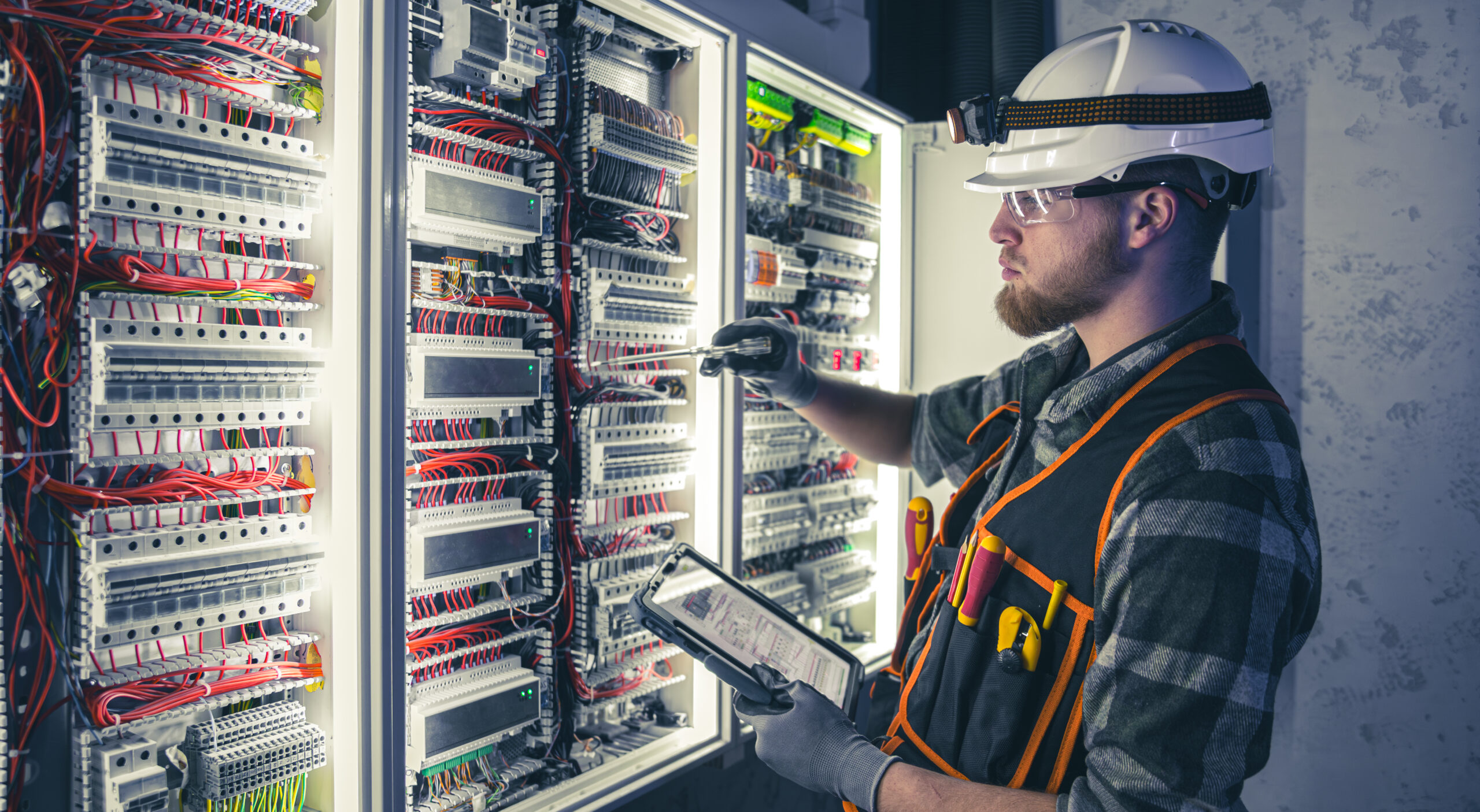
A power failure inside a factory line does not just cost minutes, it costs entire production runs. Industrial electrical panels sit at the center of that risk, controlling how power reaches motors, lighting, and safety systems across a facility. In Saudi Arabia’s growing industrial sector, from Riyadh’s manufacturing zones to giga-projects like NEOM, the quality of these panels decides whether operations run smoothly or stop without warning. This guide covers the types of industrial electrical panels used in KSA facilities, the standards they must meet, and what separates a reliable manufacturer from a risky one.
What Are Industrial Electrical Panels and Why They Matter
Industrial electrical panels are enclosed assemblies that receive incoming power and route it safely to the equipment a facility depends on. Inside sit breakers, switches, relays, and control devices, all arranged to protect people and machinery from overload, short circuits, and voltage faults.
In a factory, a mall, or a hospital, these panels are the difference between a controlled shutdown and a dangerous failure. Poorly built panels overheat, trip unpredictably, or fail entirely under sustained industrial loads.
Well-engineered panels do the opposite. They isolate faults quickly, protect connected equipment, and keep a facility running even when part of the system needs maintenance.
Types of Industrial Electrical Panels Used in Saudi Facilities
Not every facility needs the same panel. A logistics warehouse and a pumping station draw very different loads, and the panel design has to match.
Al Samman manufactures the full range of low voltage panel boards used across Saudi industrial and commercial projects:
- Main Distribution Board (MDB): distributes incoming power from the main source to sub-circuits across the facility.
- Motor Control Center (MCC): controls and protects multiple electric motors from a single, centralized enclosure.
- Automatic Transfer Switch (ATS): switches the load automatically between the main supply and backup generators.
- Emergency Main Distribution Board (EMDB): keeps essential circuits, such as fire systems and emergency lighting, powered during an outage.
- Distribution Board (DB): breaks power down further into smaller, manageable circuits.
- Lighting Panel Board (LP): dedicated to controlling and distributing power for lighting loads.
- Power Factor Correction (PFC) Panel: reduces reactive power losses and lowers electricity costs on industrial sites.
- Synchronization Panels: manage multiple generators or power sources so they operate together without conflict.
Each of these panels is built around the specific load profile, fault current, and space constraints of the project it serves.
Looking for a Main Distribution Board (MDB) designed for your project’s load requirements? Contact Al Samman to discuss your MDB specifications and get a tailored solution for your facility.
How to Choose the Right Industrial Electrical Panel Rating
Choosing the right industrial electrical panel starts with the facility’s actual electrical load. The panel must be rated to handle current demand safely while leaving enough capacity for future expansion.
Engineers typically review several factors before finalizing the design:
- Total connected load and expected operating load
- Required voltage and current rating
- Available fault current at the installation point
- Number and type of outgoing circuits
- Motor starting loads and other high-demand equipment
- Environmental conditions and available installation space
- Future expansion requirements
A panel that is undersized may overheat or trip frequently, while unnecessary oversizing can increase project costs. The right approach is to design the industrial electrical panel around verified load calculations and project requirements rather than selecting a standard enclosure without proper engineering review.
Key Components Inside Industrial Electrical Panels
Industrial electrical panels contain several components that work together to distribute, control, and protect electrical power. The exact configuration depends on the panel type and application, but most industrial assemblies include key protective and control devices.
Circuit breakers protect electrical circuits against overloads and short circuits, helping prevent damage to connected equipment and electrical systems.
Busbars distribute electrical power between incoming and outgoing circuits. Their size and configuration must be properly specified according to the panel’s electrical load and design requirements.
Contactors control electrical loads, particularly motors and large industrial equipment. They allow equipment to be switched on and off safely as part of the overall control system.
Relays monitor electrical conditions and trigger specific protective or control functions when required. They are commonly integrated into industrial control and protection systems.
Protective devices help isolate electrical faults before they can cause significant damage to connected equipment or affect the wider electrical system.
Meters and monitoring devices provide visibility into voltage, current, power consumption, and other electrical parameters. This information helps operators monitor system performance and identify potential issues.
The quality and compatibility of these components directly affect panel reliability. Using properly specified components and maintaining an organized internal layout also makes future inspection, troubleshooting, and maintenance easier.
Standards and Compliance for Industrial Electrical Panels in KSA
Panels installed in Saudi Arabia are expected to meet more than basic wiring codes. Saudi Building Code (SBC) requirements govern how electrical distribution systems are designed inside commercial and industrial buildings.
SASO certification confirms that panel components and assemblies meet the Kingdom’s safety and performance requirements before they reach a project site. IEC standards, the international baseline for switchgear and panel boards, sit underneath both.
Al Samman builds its panels as an Authorized Panel Builder of Schneider Electric in Saudi Arabia. That authorization means panels are assembled using approved components and tested methods, not improvised layouts.
For contractors managing SBC or SASO inspections, that distinction matters. A panel that fails certification mid-project delays the entire handover.
Testing and Quality Control for Industrial Electrical Panels
Compliance with electrical standards is only part of the manufacturing process. Industrial electrical panels should also undergo systematic inspection and testing before delivery to confirm that components, wiring, protection devices, and control functions perform as intended.
Quality control typically includes:
- Inspection of components and approved materials
- Verification of wiring and electrical connections
- Functional testing of breakers, relays, and control systems
- Checking protection and interlocking functions
- Inspection of panel labeling and documentation
- Final visual and mechanical inspection before delivery
Proper factory testing helps identify faults before the panel reaches the project site. This reduces commissioning delays and gives contractors greater confidence that the panel is ready for installation.
How the Right Panels Improve Safety and Efficiency
Reliable industrial electrical panels reduce unplanned downtime, and downtime on an active production line is expensive in ways that are hard to reverse. Every tripped breaker that shouldn’t have tripped is lost output.
They also protect people. Enclosed, properly rated panels prevent arc flashes and accidental contact with live components, which matters most in facilities running continuously.
Power Factor Correction panels add a financial angle to safety. By correcting reactive power on-site, they cut wasted energy and reduce the load penalties some industrial facilities face on their electricity bills.
Need panels sized correctly for your load profile? Al Samman’s engineering team reviews project drawings before manufacturing begins.
Ensure uninterrupted power for your critical operations with an Automatic Transfer Switch (ATS) designed around your facility’s electrical requirements. Contact Al Samman to discuss your project specifications.
Common Industrial Electrical Panel Problems and How to Avoid Them
Most industrial electrical panel problems result from poor design, incorrect sizing, low-quality components, or inadequate maintenance. Overheating can occur because of overloaded circuits, poor ventilation, or loose connections.
Frequent breaker tripping may indicate overloads, incorrect protection settings, or electrical faults. Loose connections can generate excessive heat and increase the risk of equipment failure. Incorrect panel sizing may also leave insufficient capacity for actual operating loads.
Component failure is more likely when unsuitable or low-quality devices are installed. Proper engineering, quality manufacturing, correct component selection, and regular inspection can significantly reduce these risks and improve panel reliability, safety, and service life.
Industrial Electrical Panel Maintenance and Inspection
Industrial electrical panels require regular inspection to maintain reliable operation throughout their service life. Preventive maintenance helps identify developing problems before they cause an unexpected shutdown or equipment failure.
A typical maintenance program may include:
- Inspecting the panel for signs of overheating or physical damage
- Checking electrical connections and terminals
- Cleaning dust and debris from the enclosure
- Inspecting breakers and protective devices
- Reviewing unusual operating conditions or repeated trips
- Performing thermal inspections where appropriate
- Replacing damaged or worn components
Maintenance requirements depend on the operating environment and the criticality of the electrical system. Facilities with continuous production or heavy electrical loads should establish a structured inspection schedule rather than waiting for a fault to occur.
What to Look for When Choosing a Manufacturer
Not all suppliers operate at the same standard. A few questions separate a dependable partner from a risky one.
Manufacturing capability
Does the company design and build in-house, or resell imported enclosures with local labeling? In-house manufacturing means faster changes and direct accountability for quality.
Brand authorization
An authorized panel builder relationship with a recognized brand, such as Schneider Electric, confirms the manufacturer follows approved component specifications rather than substituting cheaper parts.
Project track record
Ask for real, verifiable projects. A manufacturer that has delivered panels for hospitals, banks, and large-scale developments has already been tested under inspection-level scrutiny.
After-sales support
Panels fail less often when the manufacturer stands behind them after installation, with spare parts and technical support available locally.
Why Al Samman Is Trusted for Industrial Electrical Panels in Saudi Arabia
Al Samman Panel Builder operates from Riyadh Industrial Estate as an Authorized Panel Builder of Schneider Electric in Saudi Arabia. Every panel is engineered and assembled in-house, not outsourced.
The company’s portfolio includes work for Al Rajhi Bank, Hilton Group properties, King Fahad Hospital, and NEOM’s Oxagon development. That range, from banking to healthcare to giga-projects, reflects the versatility such panels demand.
Al Samman’s engineering team works directly with contractors and consultants from the drawing stage, sizing each panel to the actual load rather than a generic template. Ready to discuss your project’s panel requirements? The team responds directly through WhatsApp or the contact page.
Ready to Discuss Your Industrial Electrical Panel Requirements?
Need reliable industrial electrical panels for your project in Saudi Arabia? Contact Al Samman to discuss your load requirements, panel specifications, and project needs with our engineering team. Get in touch today to start planning the right panel solution for your facility.
Frequently Asked Questions for industrial electrical panels
What are industrial electrical panels used for?
They distribute and protect electrical power across a facility, controlling everything from motors and lighting to emergency systems during outages.
What types of industrial electrical panels does Al Samman manufacture?
Al Samman builds MDB, MCC, ATS, EMDB, DB, LP, PFC, and Synchronization panels for industrial and commercial projects across Saudi Arabia.
Are Al Samman’s industrial electrical panels certified?
Yes. Panels are built as an Authorized Panel Builder of Schneider Electric and designed to meet SASO and IEC requirements relevant to Saudi projects.
How long does it take to manufacture a custom panel?
Lead times depend on panel type, ampere rating, and component availability. Al Samman confirms a schedule once project drawings are reviewed.
Can industrial electrical panels be customized for specific loads?
Yes. Panels are engineered around the facility’s actual load profile, fault current, and space constraints rather than a fixed template.
Does Al Samman support installation after delivery?
Al Samman’s technical team supports contractors through commissioning and remains available for after-sales assistance once panels are on site.