
Electrical Panel Testing: What Happens Before a Panel Ever Ships

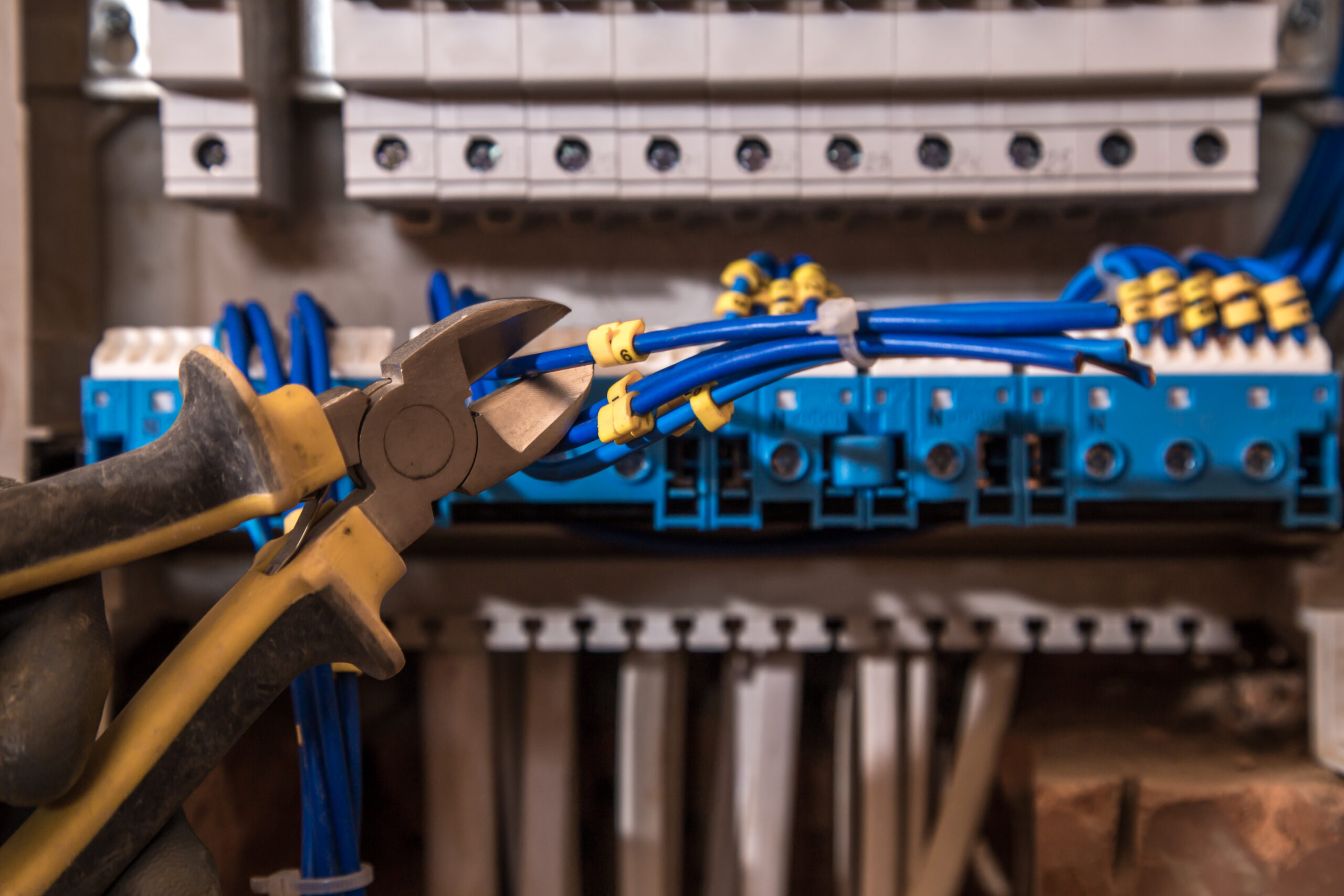
A panel that looks finished is not the same as a panel that is safe to energize. Electrical panel testing is the step that separates the two, and skipping it is how facilities end up with failures nobody saw coming. For contractors overseeing installation, understanding what electrical panel testing actually verifies makes it far easier to know whether a supplier’s test report means anything at all. This guide covers the main tests every panel should pass before it reaches a project site.
Why Electrical Panel Testing Exists
A panel can look correctly wired and still be unsafe. Loose terminations, insufficient clearances, or a miscalculated busbar rating are not always visible from the outside.
electrical panel testing Saudi Arabia exists to catch these issues before a panel is energized, not after. Under IEC 61439, the international standard governing low-voltage switchgear assemblies, testing is split into two categories that serve different purposes.
Design verification confirms the panel type performs safely under its rated conditions. Routine verification confirms that the specific unit built matches that verified design, checked before every single assembly leaves the factory.
Electrical Panel Testing Standards and Requirements
electrical panel testing KSA should follow the standards and project requirements that apply to the specific assembly. For low-voltage switchgear and controlgear assemblies, IEC 61439 provides the framework for design verification and routine verification, while project specifications may introduce additional electrical panel inspection and testing requirements.
The testing scope depends on the panel type, rated characteristics, protection system, and application. Engineers should therefore establish the applicable requirements before manufacturing and confirm that the planned tests are documented and traceable.
For Saudi projects, contractors and consultants may also require supporting compliance documents, approved drawings, component data, and test records as part of the inspection and handover process. Defining these requirements early helps prevent testing gaps and approval delays later.
Design Verification: Proving the Panel Type Is Safe
Design verification happens once per panel architecture, not once per unit. It confirms the assembly can handle everything its rating claims, under real fault conditions.
Temperature rise testing measures how hot internal components get under maximum rated load, confirming the design stays within safe limits without overheating.
Short-circuit withstand testing verifies the panel can survive a fault current at its declared rating, typically expressed in kiloamps for a set duration, without structural damage.
Dielectric and insulation testing applies a specified voltage across insulated parts to confirm there is no breakdown or excessive leakage current under stress.
Degree of protection testing verifies the enclosure’s IP rating, confirming it actually resists dust and moisture at the level it claims.
Routine Verification: Testing Every Unit Before Dispatch
Once a design is verified, every individual panel built to that design still needs its own checks before it ships. This is where most electrical panel testing happens in daily practice, panel by panel, before anything leaves the factory floor.
Insulation resistance testing uses a megohmmeter to confirm the insulation between conductors is intact, typically at a minimum of 500 volts DC.
Continuity testing confirms the protective earth circuit runs unbroken through the entire assembly, a requirement for personnel safety.
Visual and workmanship inspection checks wiring, labeling, torque values on terminations, and component placement against the approved drawings.
Functional testing verifies breakers trip correctly, interlocks work as designed, and any PLC or automation logic behaves as specified. This step of electrical panel testing confirms the panel is genuinely ready for service, not just wired correctly.
For projects requiring reliable primary power distribution, Al Samman’s Main Distribution Board (MDB) solutions are tested and engineered to meet the project’s load, protection, and performance requirements. Contact the team to discuss your MDB requirements.
Electrical Panel Testing Equipment and Instruments
Reliable electrical panel testing depends on using the appropriate instruments for each verification step. The equipment used varies according to the panel design and the tests required by the applicable standards and project specifications.
Common testing instruments may include:
- Insulation resistance testers: measure insulation resistance between conductors and other specified points.
- Multimeters: verify voltage, continuity, resistance, and basic electrical conditions.
- Torque tools: confirm that electrical terminations are tightened to the specified torque.
- Injection test equipment: may be used to verify protection device operation and settings where required.
- Functional test equipment: supports verification of control circuits, interlocks, meters, and automation functions.
Testing instruments should be properly maintained and, where applicable, supported by valid calibration records. Using suitable equipment helps ensure that test results are reliable, repeatable, and suitable for project documentation.
Factory Acceptance Testing: The Client’s Final Checkpoint
Factory Acceptance Testing, often shortened to FAT, goes beyond routine verification. It confirms the panel matches the specific project’s approved drawings, bill of materials, and control philosophy, not just the general design standard.
FAT typically includes the routine verification records already completed, plus project-specific checks like metering accuracy, communication protocols, and interlock sequences unique to that installation.
For large industrial or institutional projects in Saudi Arabia, clients often witness FAT in person before authorizing shipment. Electrical panel testing at this stage is the last opportunity to catch a mismatch before the panel leaves the factory floor.
For facilities that depend on reliable backup power transfer, Al Samman’s Automatic Transfer Switch (ATS) solutions are tested for proper source switching, control functions, and project-specific requirements. Contact the team to discuss your ATS requirements.
Why Skipping or Faking Test Reports Is a Real Risk
Some suppliers provide test reports that were never actually performed, or that were copied from a similar but different panel configuration. This shortcut is difficult to spot without asking the right questions.
A genuine electrical panel test report references the specific panel’s serial number, load rating, and test date, not a generic template reused across projects. If a report cannot be tied to the exact unit delivered, it is worth questioning.
Facilities that skip proper electrical panel testing tend to discover the gap the hard way, usually during commissioning or worse, during the first real fault event on site.
Electrical Panel Testing Checklist Before Dispatch
Before an electrical panel leaves the factory, the manufacturer should confirm that the completed assembly matches the approved design and has passed the required inspections and tests. A structured checklist helps prevent small manufacturing issues from becoming commissioning problems on site.
A typical pre-dispatch review may include:
- Confirming the panel identification and serial number
- Checking component installation against approved drawings
- Verifying wiring, labeling, and terminal connections
- Checking protective earth continuity
- Performing required insulation resistance tests
- Verifying breaker, relay, and control functions
- Checking mechanical connections and specified torque values
- Confirming meters, indicators, and communication functions where applicable
- Reviewing test results and required documentation
- Completing final visual and workmanship inspection
The exact checklist should reflect the panel type and project requirements. Recording each completed check provides a traceable quality record that can support factory acceptance, shipment approval, and later commissioning.
Pre-Commissioning Electrical Panel Testing
Factory testing does not eliminate the need for checks after a panel reaches the project site. electrical panel testing before commissioning confirms that the installed panel has not been damaged during transportation and that its connections and functions remain suitable before energization.
Site checks may include visual inspection, verification of cable terminations, protective earth continuity, insulation testing where appropriate, breaker and protection settings, control circuit checks, and functional verification of connected equipment.
The exact scope depends on the installation and project requirements. Site testing should also confirm that the panel has been installed according to the approved drawings and that associated equipment is ready before power is applied.
This final verification step helps identify installation-related problems before they develop into equipment damage, unexpected trips, or commissioning delays.
How Al Samman Approaches Electrical Panel Testing
Al Samman Panel Builder operates from Riyadh Industrial Estate as an Authorized Panel Builder of Schneider Electric, building every assembly around verified designs rather than improvised layouts.
Routine verification, including insulation resistance, continuity, and functional checks, is completed on every electrical panel testing before dispatch, with documentation tied directly to that unit’s build records.
That discipline has supported inspection-heavy projects for Al Rajhi Bank, Hilton Group properties, King Fahad Hospital, and NEOM’s Oxagon development, where a failed test meant a delayed handover. Need a supplier that can produce traceable test records for your project? Al Samman’s engineering team can walk through documentation before manufacturing begins.
Need Reliable Electrical Panel Testing?
Make sure your panels are tested, verified, and documented before delivery. Contact Al Samman to discuss your testing requirements and ensure your project is ready for inspection and commissioning.
Frequently Asked Questions
What is the difference between design verification and routine verification?
Design verification proves a panel type is safe under its rated conditions, done once per architecture. Routine verification checks that each individual unit matches that verified design.
What voltage is used for insulation resistance testing?
Insulation resistance is typically measured with a megohmmeter at a minimum of 500 volts DC, checking that insulation between conductors is intact.
Is Factory Acceptance Testing the same as routine verification under IEC 61439?
No. FAT usually includes routine verification records but goes further, checking the panel against the specific project’s drawings, bill of materials, and control logic.
How can a contractor verify a test report is genuine?
A genuine report references the exact panel’s serial number, load rating, and test date, rather than a generic template that could apply to any unit.
Does every panel need short-circuit withstand testing before shipment?
Short-circuit withstand is verified once during design verification, not retested on every unit. Routine verification instead confirms the delivered unit matches that verified design.
Can Al Samman provide test documentation for inspection-heavy projects?
Yes. Al Samman completes routine verification on every panel and can provide documentation tied to the specific unit for client or third-party review.